
Boston to New York Car Service vs Train vs Flight
Every regular Boston to New York traveler eventually settles on one of three ways to make the trip. Some swear by Amtrak. Some fly the shuttles. Some hire a private transportation service in Boston, MA and refuse to go back. Choosing between the three depends on what you actually value.
Three Real Options And The Honest Tradeoffs
The Boston to New York car service vs train vs flight debate rarely gets an honest answer online because most articles are written by companies selling one of the three. Amtrak’s Acela operates a scheduled 3-hour-40-minute service between South Station and Penn Station. JetBlue and Delta both operate shuttle flights out of Logan into LaGuardia. Chauffeur services run door-to-door between any Boston and any New York address in roughly four hours.
Each option is genuinely the best choice for a specific traveler. What matters is matching the trip to the option rather than defaulting to whatever you booked last time. The mistake most business travelers make is picking on habit rather than picking on need.

Boston to NYC Travel Options Ranked By Total Door-to-Door Time
Advertised travel time and actual door to door travel Boston to New York are two very different numbers. Amtrak Acela’s 3-hour 40-minute schedule assumes you are already at South Station and stepping off at Penn Station is your final destination. Add 30 minutes to reach South Station from most Boston neighborhoods, add 20 minutes to travel from Penn Station to your Manhattan destination, and the real total is closer to 4 hours 30 minutes.
Shuttle flights advertise 75 minutes gate-to-gate, but Boston to NYC travel options via air add 90 minutes on the Boston side for TSA and 60 minutes on the New York side for LaGuardia to Midtown. The fastest way to get from Boston to New York on real door-to-door math is often the chauffeur, since the car begins and ends at your actual address.
Cost Comparison for A One-Way Trip in Each Option
Cost of traveling Boston to New York varies wildly by option and booking window. Amtrak Acela one-way in business class runs $150 to $290 depending on how far ahead you book. Amtrak Northeast Regional runs $50 to $130 for the same route with an added hour of travel. JetBlue shuttle flights start around $99 last-minute and can reach $350 during peak business travel weeks. Add $50 to $95 for a Manhattan taxi or rideshare from LaGuardia.
Flying vs driving Boston to New York on cost terms often lands closer than travelers assume once ground transportation is factored in. Chauffeured sedan service on a Boston to New York travel comparison basis runs a flat rate that splits well among two to three riders, which is why corporate teams often prefer it over multiple Acela tickets.
Amtrak Northeast Regional: $50 to $130 per person plus transfers on both ends
Amtrak Acela business class: $150 to $290 per person plus transfers
JetBlue or Delta shuttle: $99 to $350 per person plus taxi from LaGuardia
Chauffeured executive sedan: flat rate per vehicle, splits across passengers
Chauffeured Sprinter Van: flat rate per vehicle for groups of eight to fourteen
Boston To NYC Travel Options Ranked By Comfort And Work Productivity
Comfort is where the three options separate the clearest. Amtrak Acela business class delivers a real work environment: reliable WiFi, a folding table, no seatbelt sign, and free walking room. The most comfortable way to travel Boston to New York for someone who wants to type for four hours is often the Acela, provided you can get to South Station without a hassle. Shuttle flights deliver 75 minutes of usable time on the plane and roughly three hours of not-usable time in security lines, taxiing, boarding, and airport transfers. Boston to NYC business travel options via chauffeur deliver the entire ride as usable time.
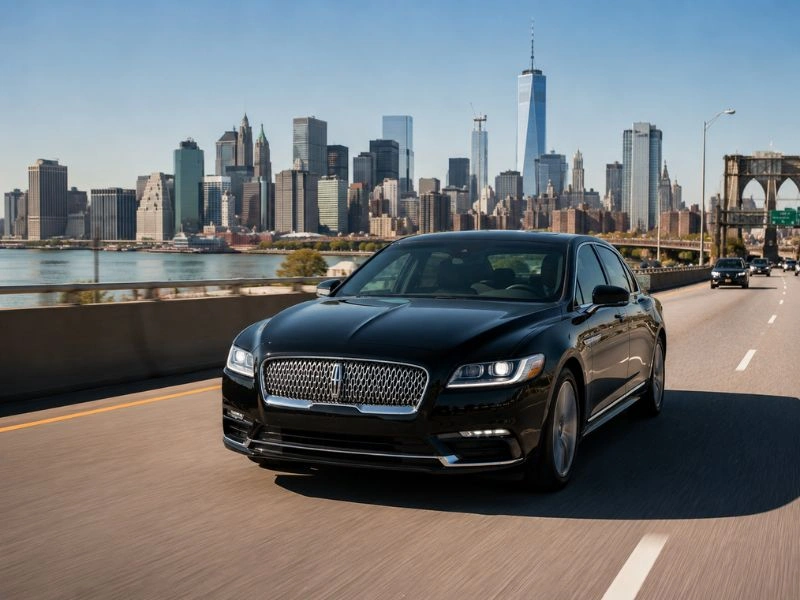
The rear cabin of a Cadillac XTS or Mercedes S-Class allows calls, video meetings, document review, and reclining rest. Which comfort profile wins depends on whether you need to type or need to think.
Boston To New York Car Service vs Train For Weekday Business Travel
For weekday business travel, Boston to New York corporate travel comparison usually narrows to Acela versus chauffeur. Both offer roughly the same total door to door time on paper. The difference lies in flexibility. Amtrak runs on fixed departures every hour or two from South Station. Miss the 6:35 a.m. Acela and the next one is 7:15. Chauffeur bookings depart when you are ready, hold at your address if you are running late, and route around traffic without a schedule change.
Private car vs Amtrak Boston to NYC also differs on privacy. Sensitive calls that would be impossible on a shared train car happen without concern in a rear cabin. Legal teams, deal teams, and investor relations groups tend to prefer chauffeur runs for that reason alone. Amtrak still wins for the solo traveler who wants uninterrupted deep-focus work time.
When Does Amtrak vs Car Service Boston to New York Math Favor The Train?
The Amtrak vs private car service Boston to New York calculation favors Amtrak in three specific scenarios. First, when you live or work within a fifteen-minute reach of South Station and your Manhattan destination sits within a fifteen-minute reach of Penn Station. Amtrak Acela Boston to New York on that geography delivers the fastest real door-to-door time by a meaningful margin. Second, when you are traveling solo and cost is the deciding factor. A single Northeast Regional ticket at $60 beats every other option on price.
Third, when you need four hours of uninterrupted work with reliable WiFi and no route interruptions. Boston South Station to Penn Station on Acela is a genuinely productive work window. Travelers who fall outside those three scenarios almost always come out ahead with the chauffeur once total time and privacy are weighted honestly.
- Origin address is a short walk or short taxi from South Station
- Destination address is a short walk or short taxi from Penn Station
- Solo traveler where per-person cost matters most
- Need for uninterrupted deep-focus work with reliable WiFi
- Traveling during heavy I-95 congestion when the highway becomes unusable
Flying vs Driving Boston to New York For Time-Sensitive Trips
Flying vs driving Boston to New York works cleanly for a narrow use case. Same-day round trips where you need to be in Manhattan for a mid-morning meeting and back in Boston by evening tilt toward the shuttle if you can pack light and skip checked luggage. JetBlue shuttle Boston to New York and Delta shuttle Boston to LGA both run frequent morning departures out of Logan. The catch is that Boston to New York train vs plane comparisons usually forget the LaGuardia to Midtown taxi ride, which can hit 60 minutes during weekday afternoon peaks.
Weather delays at Logan and LaGuardia frequently push shuttle flight totals past a chauffeured four-hour drive. Frequent flyers who route through this corridor twice a week or more often build a rotation, using shuttles when weather is clear and cars when the forecast turns.
Boston to New York Car Service vs Train For Group Travel
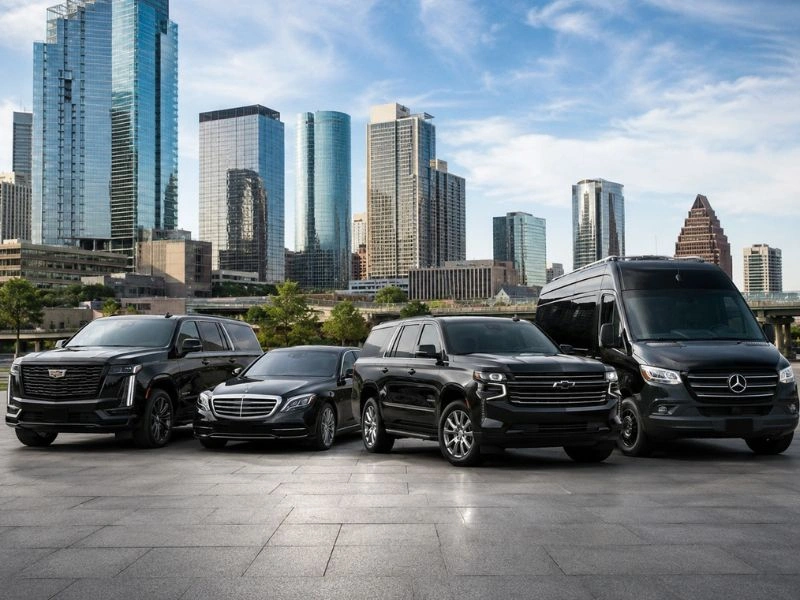
Group travel flips the Boston to New York car service vs train math completely. A group of four buying Amtrak Acela tickets pays $600 to $1,160 for the train alone, plus transfers on both ends. A group of four in a single chauffeured Cadillac Escalade or Chevrolet Suburban splits one flat rate across the vehicle, which typically lands well below the per-person Acela total.
Sprinter Van bookings for eight to fourteen passengers make the comparison even more lopsided, since the Boston to New York last-minute travel window on a Sprinter usually still gets confirmed inside 48 hours. Wedding parties, corporate roadshows, and family reunions almost always go car for this reason. Amtrak also caps at whatever seat availability exists on the specific train, while a single Sprinter Van solves the problem for the entire party in one booking.
Amtrak vs Car Service Boston to New York On Reliability And Delays
The reliability question rarely gets covered honestly in an Amtrak vs car service Boston to New York comparison. Acela has one of the strongest on-time records in the Amtrak system, but Northeast Corridor delays still happen from track issues, signal problems, and weather in New Jersey. When Amtrak delays, options are limited. You wait. Shuttle flights delay for weather at either Logan or LaGuardia, and cancellations reroute passengers to later flights that same day. Chauffeur delays are almost always traffic-driven, and the driver can reroute mid-trip to any alternate path.
The three options fail differently, which is the important insight. Business travelers who cannot afford to miss a fixed arrival time typically build a redundancy: primary booking on the mode of choice, secondary chauffeur booking held as backup if the primary cancels.
What Most Travelers Overlook When Picking a Mode
The most overlooked factor in the door-to-door travel Boston to New York decision is what happens on both ends. Amtrak travelers frequently underestimate the last-mile problem: dragging a rolling bag through Penn Station at 8 a.m. is not the same experience as stepping into a waiting car at your Boston address. Shuttle flyers underestimate the LaGuardia queue, which regularly stretches to 45 minutes during afternoon peaks.
Chauffeur riders occasionally underestimate weather-driven traffic on I-95 through Connecticut, which is why the departure window matters. Boston to NYC business travel options should be picked on the specific trip context: origin address, destination address, luggage load, meeting flexibility, and weather forecast. The traveler who evaluates each trip on those variables rather than defaulting to a favorite mode ends up making the fastest and cheapest choice more often than the traveler who books on habit.
- Time and stress of reaching South Station versus stepping into a waiting car
- LaGuardia to Midtown taxi delays during afternoon peak hours
- I-95 winter storm conditions that add hours to any highway option
- Amtrak track and signal delays that leave passengers with no alternative
- Luggage handling differences between train, plane, and chauffeured vehicle
Boston to New York Car Service Vs Train And How To Pick Honestly
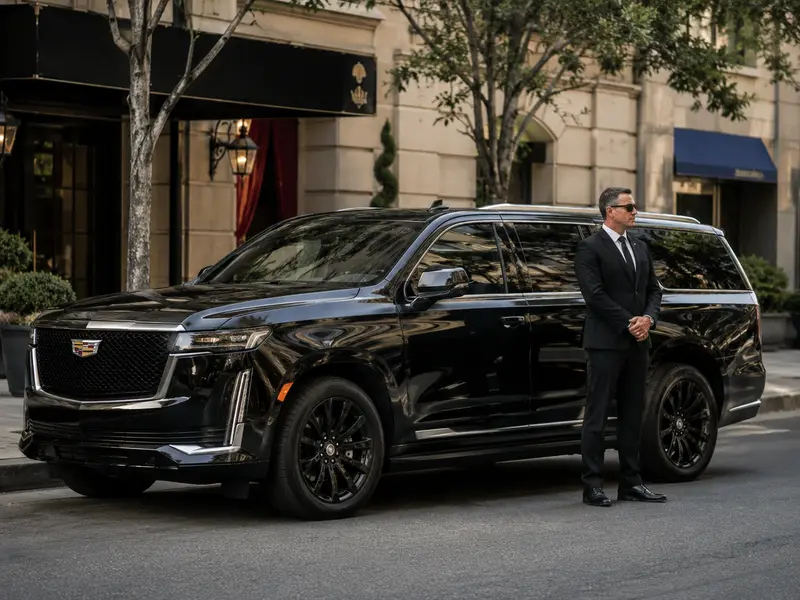
The clean answer to the Boston to New York car service vs train question is that the right choice changes trip to trip. Solo travelers on a budget with easy South Station access take Amtrak. Business travelers on tight same-day windows with clean weather take the shuttle. Groups, executives with sensitive calls, travelers with heavy luggage, and anyone whose origin or destination sits far from South Station or Penn Station take the chauffeur. Blue Nile Livery runs the chauffeured option every day between the two cities and books last-minute Sprinter Vans, sedans, and SUVs on the same corridor covered above. For a direct quote against your specific trip, call (877) 307-2322 or use bluenilelivery.com/reservation/. The right mode depends on the trip. Booking any of the three on the wrong day costs time you cannot get back.
- Solo, tight budget, near South Station: Amtrak Northeast Regional
- Solo, need deep work time, near Penn Station: Amtrak Acela Business
- Same-day round trip, light luggage, clean weather: JetBlue or Delta shuttle
- Group of two to six with luggage: chauffeured SUV
- Group of eight or more or wedding party: chauffeured Sprinter Van
Frequently Asked Questions
Is it faster to drive or take the train from Boston to New York?
On advertised time, Amtrak Acela at 3 hours 40 minutes is faster than the 4-hour drive. On real door-to-door time from most origin addresses, chauffeured car service and Acela come out roughly equal. Amtrak wins only when both origin and destination sit close to South Station and Penn Station, respectively.
Is Amtrak or car service cheaper Boston to New York?
Amtrak Northeast Regional at $50 to $130 is cheaper than any car service for a solo traveler. Amtrak Acela at $150 to $290 in business class often costs more than a chauffeured sedan split between two riders. Group travel almost always favors car service on cost.
How long is the JetBlue shuttle from Boston to New York?
The gate-to-gate flight is 75 minutes. Total door-to-door time typically runs 3 hours 30 minutes to 4 hours 15 minutes once TSA lines at Logan, LaGuardia deplaning, and the taxi ride to Midtown are counted.
When does flying make more sense than driving Boston to New York?
Flying wins for same-day round trips with light luggage in clean weather. The 75-minute flight advantage disappears when weather delays hit either Logan or LaGuardia, which is why frequent flyers on this route often keep a backup chauffeur booking.
What is the most comfortable way to travel from Boston to New York?
Amtrak Acela business class for solo travelers who want to work. Chauffeured executive sedan for travelers who want privacy, door-to-door service, and no security lines. Shuttle flights are the least comfortable of the three because of TSA, gate boarding, and the LaGuardia ground transfer.
